

Understanding where your money goes each month is one of the most important steps toward financial stability.
In 2026, rising costs for housing, groceries, utilities, and transportation have significantly reshaped the typical household budget in the United States.
The average American household spends between $4,500 and $7,500 per month depending on location, family size, and lifestyle.
Let’s look at how that budget is usually distributed.
Average Monthly Household Budget (2026)
| Category | Average Monthly Cost |
|---|---|
| Housing (rent or mortgage) | $1,800 – $2,800 |
| Groceries | $500 – $1,200 |
| Utilities | $150 – $350 |
| Transportation | $600 – $1,000 |
| Insurance | $300 – $700 |
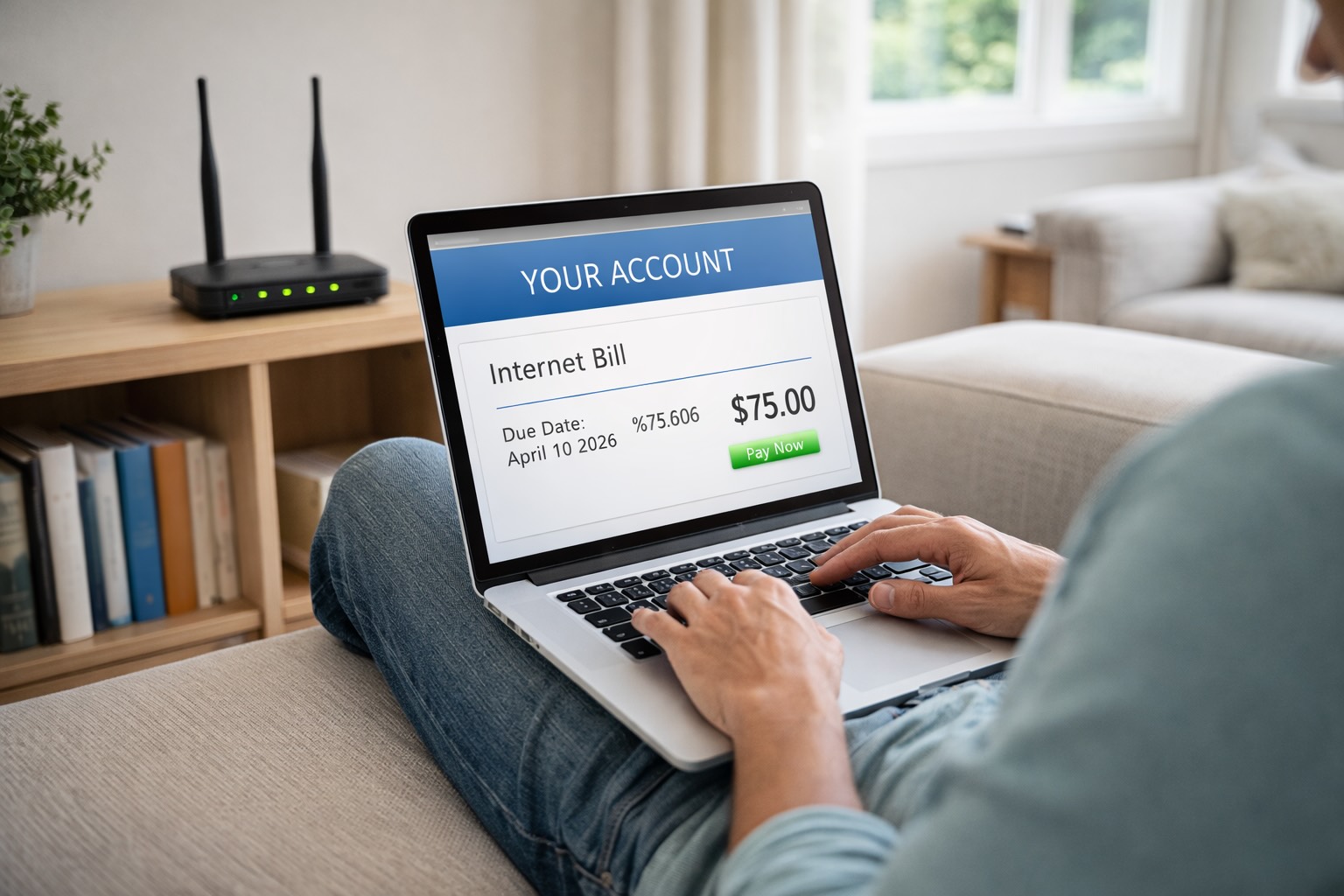
| Internet & Phone | $100 – $200 |
| Childcare / Education | $200 – $1,200 |
| Entertainment & subscriptions | $100 – $300 |
Housing typically represents the largest portion of monthly spending.
Housing Costs
Housing expenses usually include:
- Rent or mortgage
- Property taxes
- Home insurance
- Maintenance
In many regions, housing alone accounts for 30–40% of total household spending.
Major home upgrades can also affect long-term budgets. For example, installing new HVAC systems like central air conditioning can increase both upfront renovation costs and electricity usage.
See also:
These costs are important parts of overall home spending.
Grocery Spending
Food is the largest flexible expense in most family budgets.
The typical family spends $700 to $1,200 per month on groceries depending on diet, region, and number of household members.
For a detailed breakdown, see:
→ How Much Do Groceries Cost Per Month in 2026?
Understanding grocery costs helps families identify opportunities to reduce monthly spending.
Utilities and Energy
Utilities usually include:
- Electricity
- Water and sewer
- Gas or heating
- Trash collection
Typical monthly cost:
$150 to $350
Energy consumption can fluctuate depending on seasonal usage.
For example, cooling systems such as air conditioning can significantly increase electricity bills during summer months.
Related guides:
- Average Utility Costs in the U.S.
- How Much Does It Cost to Run a Ceiling Fan?
- How Much Does It Cost to Run a Portable Air Conditioner?
These articles explain how energy usage impacts monthly household costs.
Transportation
Transportation expenses include:
- Car payments
- Fuel
- Insurance
- Maintenance
- Public transportation
Average cost:
$600 to $1,000 per month
For many households, transportation is the second-largest fixed expense after housing.
Insurance Costs
Common household insurance expenses include:
- Health insurance
- Auto insurance
- Home insurance
- Life insurance
These costs vary widely depending on coverage and location but typically range between $300 and $700 per month.
How Families Reduce Monthly Expenses
Families often reduce spending by focusing on the most flexible categories.
Common strategies include:
- Meal planning to reduce grocery costs
- Improving home energy efficiency
- Using programmable thermostats
- Reducing subscription services
Energy efficiency upgrades can significantly reduce electricity usage over time.
Household Budget Example
Example monthly budget for a family of four:
| Expense | Monthly Cost |
|---|---|
| Housing | $2,200 |
| Groceries | $950 |
| Utilities | $220 |
| Transportation | $800 |
| Insurance | $500 |
| Internet & phones | $160 |
| Childcare | $700 |
| Entertainment | $200 |
Total: $5,730 per month
This type of breakdown helps households better understand spending patterns.
FAQ
What is the average household monthly budget in 2026?
Most U.S. households spend between $4,500 and $7,500 per month depending on location and family size.
What percentage of income should go to housing?
Financial experts recommend keeping housing costs below 30% of gross income whenever possible.
What are the biggest household expenses?
The three largest household expenses are usually:
Housing
Transportation
Groceries
How can families reduce their monthly expenses?
Tracking spending, improving energy efficiency, and reducing discretionary purchases can significantly lower monthly costs.