
Opening your electricity bill and seeing a higher-than-expected total can be frustrating. Whether it’s a sudden spike or a gradual increase, many homeowners wonder what’s driving their energy costs up.
If your electricity bill feels unusually high, several common factors may be responsible.
Let’s break them down.
Quick Answer: Why Is Your Electricity Bill High?
The most common causes include:
- Increased air conditioning or heating use
- Higher electricity rates
- Inefficient appliances
- Poor insulation
- Peak-hour pricing
- Seasonal changes
- Hidden standby power usage
Understanding which factor applies to you is the first step to lowering your bill.
1. Seasonal Heating or Cooling Usage
Air conditioning in summer and electric heating in winter can dramatically increase energy use.
Cooling alone can account for 30–50% of summer electricity consumption.
(👉 Cost to Run an Air Conditioner Per Month)
Heating can be even more expensive in cold climates.
(👉 Cost to Heat a House in Winter (Gas vs Electric Comparison))
2. Higher Electricity Rates
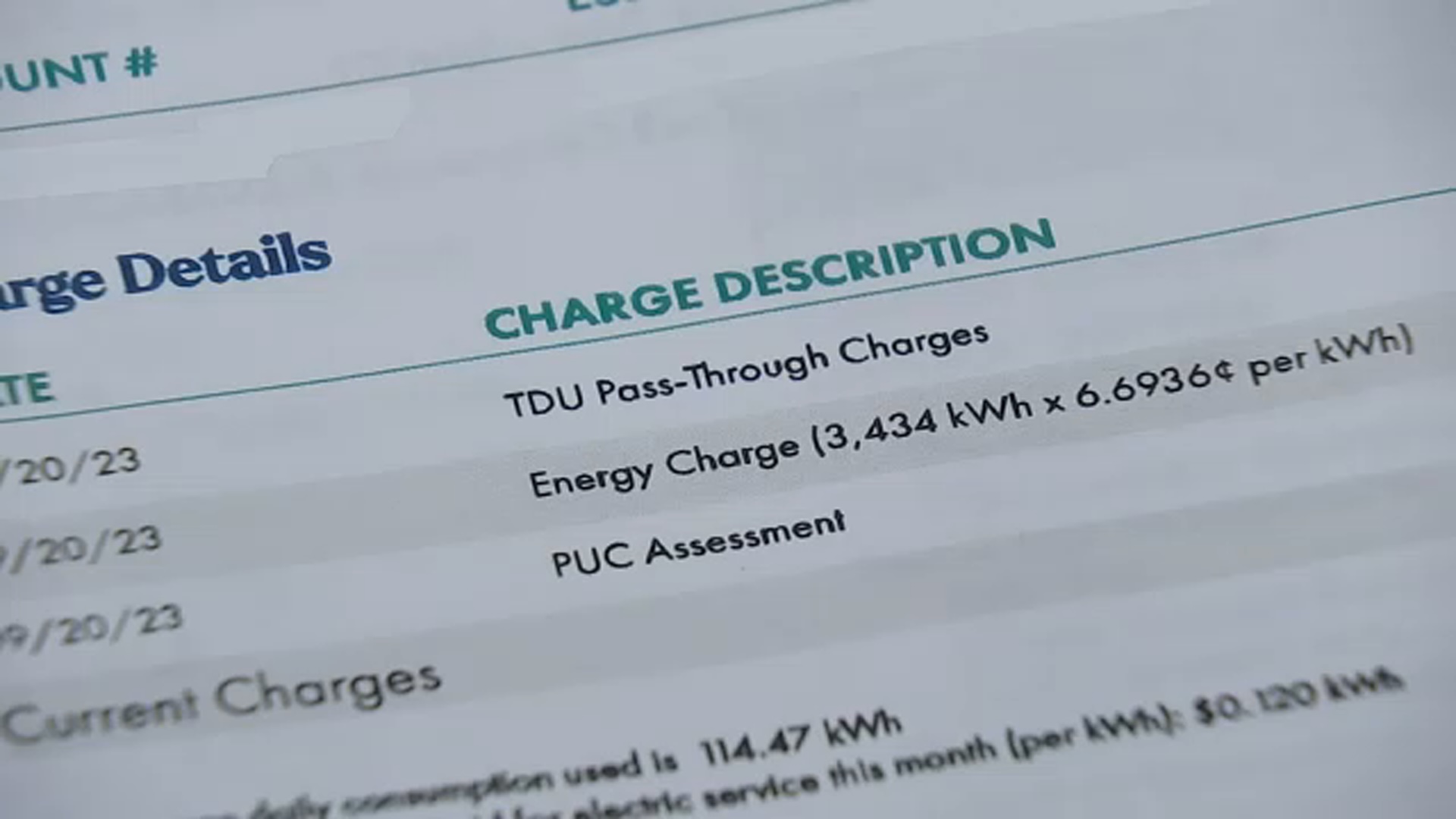
Your electricity rate (cost per kWh) may have increased.
Even small changes in your rate can significantly impact your bill.
For example:
1,000 kWh × $0.18 = $180
1,000 kWh × $0.15 = $150
That’s a $30 difference for the same usage.
(👉 Electricity Cost per kWh by State)
3. Increased Usage (kWh Consumption)
If your household is using more electricity than usual, your bill will increase.
Common usage spikes include:
- Guests staying longer
- More remote work
- Laundry frequency
- New appliances
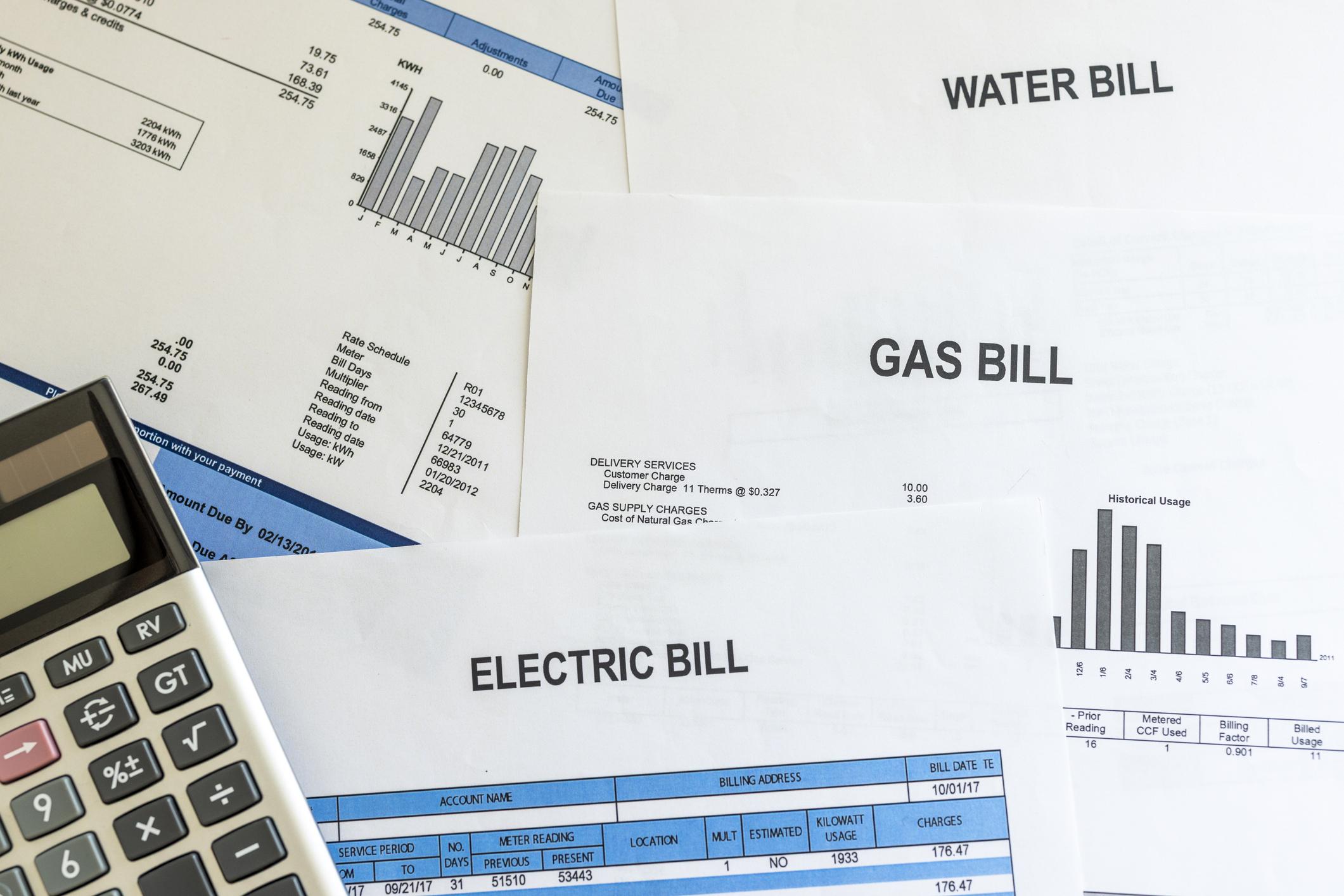
You can compare current and previous bills to see changes in kWh usage.
(👉 Electricity Cost Per Month)
4. Inefficient or Old Appliances
Older refrigerators, HVAC systems, and water heaters consume more electricity.
Replacing outdated appliances with Energy Star models can significantly reduce energy usage.
5. Poor Insulation or Drafts
If your home loses heat in winter or cool air in summer, your HVAC system works harder.
Poor insulation can increase energy use by 20–30%.
6. Phantom Energy (Standby Power)
Many devices consume power even when turned off.
Common culprits:
- TVs
- Game consoles
- Routers
- Chargers
Standby power can account for 5–10% of household electricity usage.
7. Peak-Hour Pricing
Some utility providers charge higher rates during peak demand hours.
Running appliances during off-peak hours may reduce your bill.
8. Faulty Equipment or Meter Issues
Occasionally, faulty HVAC systems or electrical issues increase energy consumption.
Rarely, billing errors or malfunctioning meters may occur.
How to Lower Your Electricity Bill
Practical steps:
- Raise thermostat 2–3°F
- Seal air leaks
- Replace HVAC filters
- Use LED lighting
- Unplug unused electronics
- Install a smart thermostat
- Shift usage to off-peak hours
Even a 10% reduction in energy usage can save hundreds annually.
Frequently Asked Questions
Why did my electricity bill suddenly double?
Common reasons include extreme weather, rate increases, or new appliance usage.
Is it normal for electricity bills to rise in summer?
Yes. Air conditioning significantly increases energy consumption.
How can I check what uses the most electricity?
Review your kWh usage and consider using a home energy monitor.
What appliance uses the most electricity?
Air conditioners, electric heaters, and water heaters typically consume the most power.
Final Thoughts
A high electricity bill is usually caused by seasonal usage changes, higher rates, or inefficient systems.
By understanding your energy consumption and identifying the main drivers, you can take meaningful steps to reduce costs and improve efficiency.
For a full overview of household utility expenses, explore our complete guide to average utility costs in the U.S.