
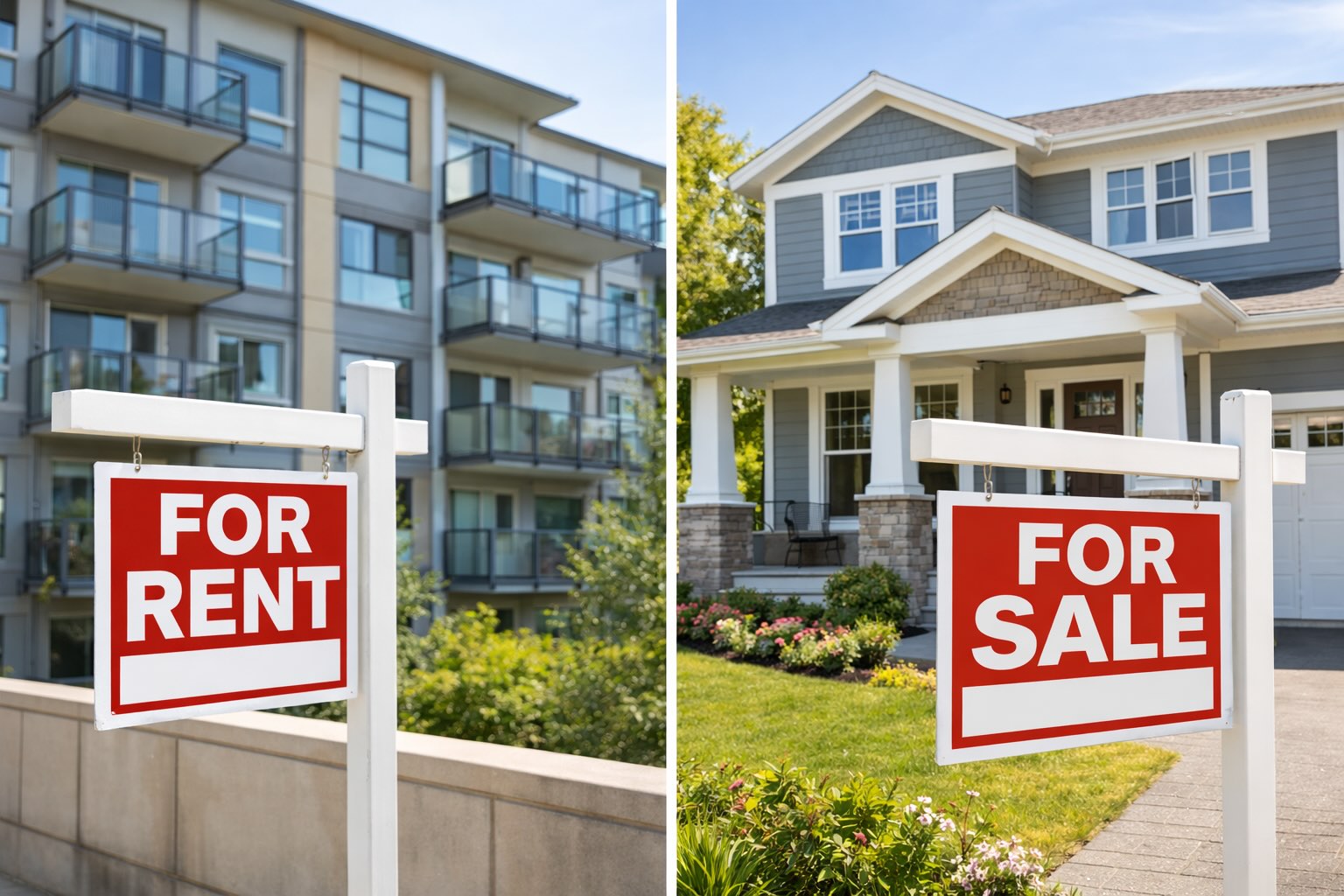
One of the biggest financial decisions Americans face is whether to rent or buy a home. Both options have advantages and disadvantages depending on financial goals, location, and lifestyle.
Renting often provides flexibility and lower upfront costs, while buying a home allows households to build equity over time.
In this guide, we compare the true cost of renting versus buying a home in the United States in 2026.
Average Cost of Renting
The average monthly rent in the U.S. varies depending on location and apartment size.
| Apartment Type | Average Monthly Rent |
|---|---|
| Studio | $900 – $1,600 |
| 1 bedroom | $1,100 – $2,100 |
| 2 bedroom | $1,400 – $2,900 |
Rent typically includes fewer responsibilities for maintenance or property taxes.
Related article:
Average Rent in the U.S. Per Month
Average Cost of Buying a Home
Homeownership usually involves several expenses beyond the mortgage payment.
| Housing Cost | Average Monthly Cost |
|---|---|
| Mortgage payment | $1,800 – $2,800 |
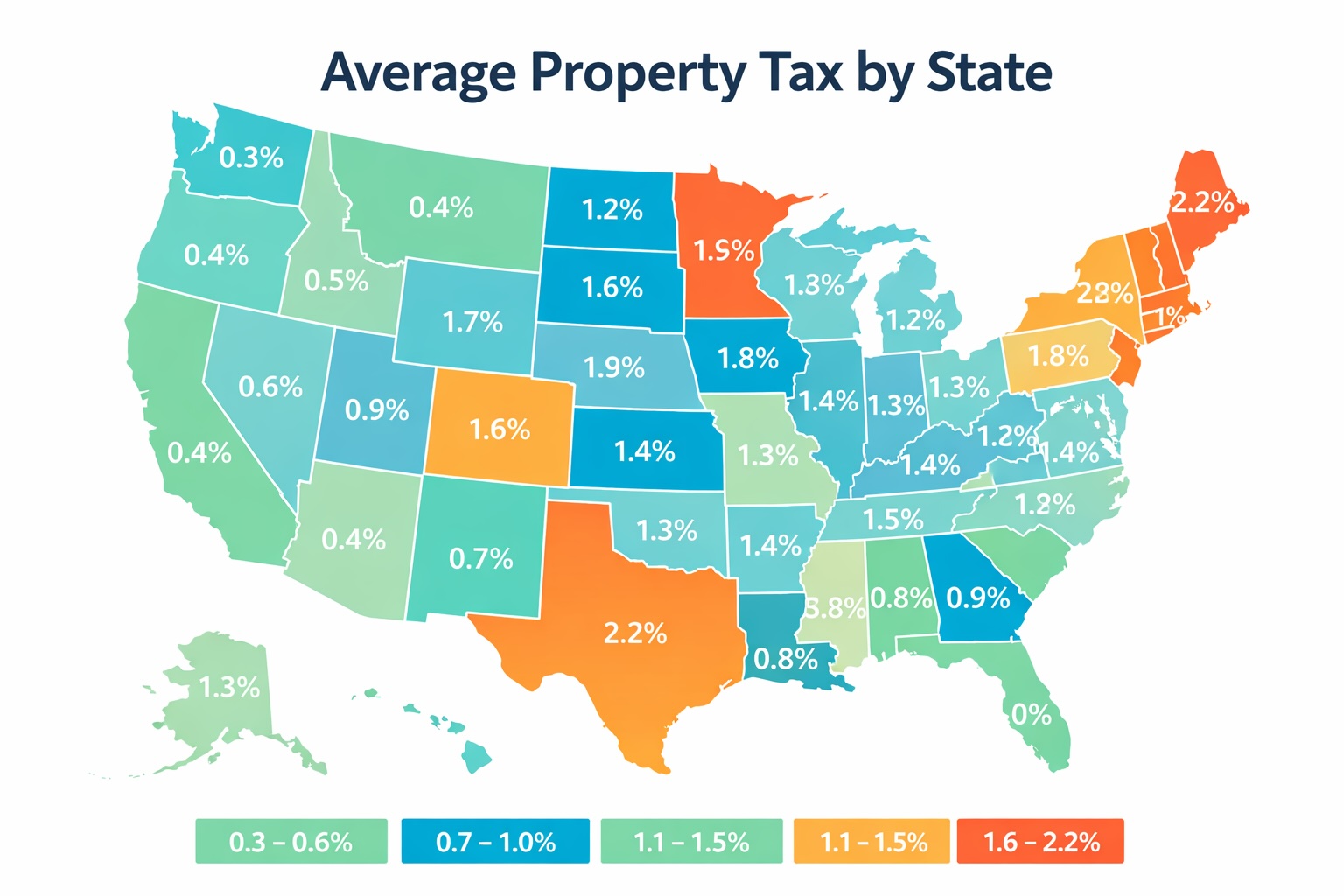
| Property taxes | $200 – $500 |
| Insurance | $100 – $200 |
| Maintenance | $200 – $400 |
Total housing cost may reach $2,300 – $3,500 per month.
Related guides:
- Average Mortgage Payment in the U.S.
- Average Property Tax in the U.S. by State
- Average Home Maintenance Cost
Upfront Costs: Renting vs Buying
One major difference between renting and buying is the upfront cost.
| Cost Type | Renting | Buying |
|---|---|---|
| Security deposit | $1,000 – $2,000 | — |
| Down payment | — | $20,000 – $80,000+ |
| Closing costs | — | $5,000 – $15,000 |
Buying requires significantly more upfront capital.
Long-Term Financial Impact
Although renting may be cheaper initially, buying can build long-term wealth.
When homeowners make mortgage payments, they gradually build equity in their property.
Rent payments, on the other hand, do not create ownership.
However, homeownership also involves financial risks such as maintenance costs and property market fluctuations.
When Renting Makes More Sense
Renting may be the better option when:
- planning to move within a few years
- lacking savings for a down payment
- wanting flexibility in housing choices
Renters also avoid many maintenance and repair costs.
When Buying Is the Better Option
Buying can be beneficial when:
- planning to stay in the same location long term
- having stable income and savings
- wanting to build long-term wealth through property ownership
Homeowners also benefit from potential property appreciation.
FAQ
Is it cheaper to rent or buy a home?
It depends on location and market conditions. In some cities renting may be cheaper, while in others buying may offer better long-term value.
How long should you stay in a home to make buying worthwhile?
Many financial experts suggest staying at least 5 to 7 years to offset buying costs.
What is the biggest advantage of buying a home?
Homeownership allows individuals to build equity and potentially benefit from rising property values.
Conclusion
Choosing between renting and buying depends on financial circumstances, long-term plans, and housing market conditions.
While renting provides flexibility and lower upfront costs, buying can offer long-term financial benefits through equity and property appreciation.
Understanding the full cost of each option helps households make more informed housing decisions.