
Many electricity providers now use time-of-use pricing, meaning the cost of electricity changes depending on when you use it.
If your bill seems unpredictable, peak pricing may be the reason.
Let’s break it down clearly.
Quick Answer
Peak hours = higher electricity rates
Off-peak hours = lower electricity rates
Using electricity during peak hours can cost 20–50% more per kWh.
What Is Peak Electricity Pricing?
Peak hours are times when electricity demand is highest.
This usually happens:
- Weekdays
- Late afternoon to early evening (4 p.m. – 9 p.m.)
- During extreme weather
Because demand is high, utility companies charge more per kWh.
What Is Off-Peak Pricing?
Off-peak hours are times when electricity demand is lower.
This usually includes:
- Late night
- Early morning
- Weekends (in many areas)
Electricity during these hours can be significantly cheaper.
Example of Time-of-Use Pricing
Peak rate: $0.22 per kWh
Off-peak rate: $0.14 per kWh
If you use 500 kWh during peak hours:
500 × $0.22 = $110
If the same 500 kWh is used off-peak:
500 × $0.14 = $70
That’s a $40 difference.
(👉 Average Electricity Cost per kWh by State (2026 U.S. Data))
Why Utility Companies Use Time-of-Use Rates
Peak pricing encourages:
- Lower grid strain
- Reduced overload risk
- More stable energy distribution
- Shifted usage patterns
It helps utilities manage demand more efficiently.
Appliances Most Affected by Peak Pricing
- EV charging
- Dishwashers
- Washing machines
- Dryers
- Electric water heaters
- HVAC systems
Running these during peak hours increases costs.
(👉 Gas vs Electric Water Heater: Which Costs Less to Run?)
(👉 Cost to Run an Air Conditioner Per Month (2026 U.S. Guide))
How to Lower Your Bill with Off-Peak Usage
- Run dishwasher at night
- Charge EV overnight
- Do laundry early morning
- Shift heavy appliance usage
- Use programmable thermostats
Even shifting 20% of usage off-peak can significantly reduce bills.
Do All Utilities Use Time-of-Use Pricing?
No. Some states use flat rates.
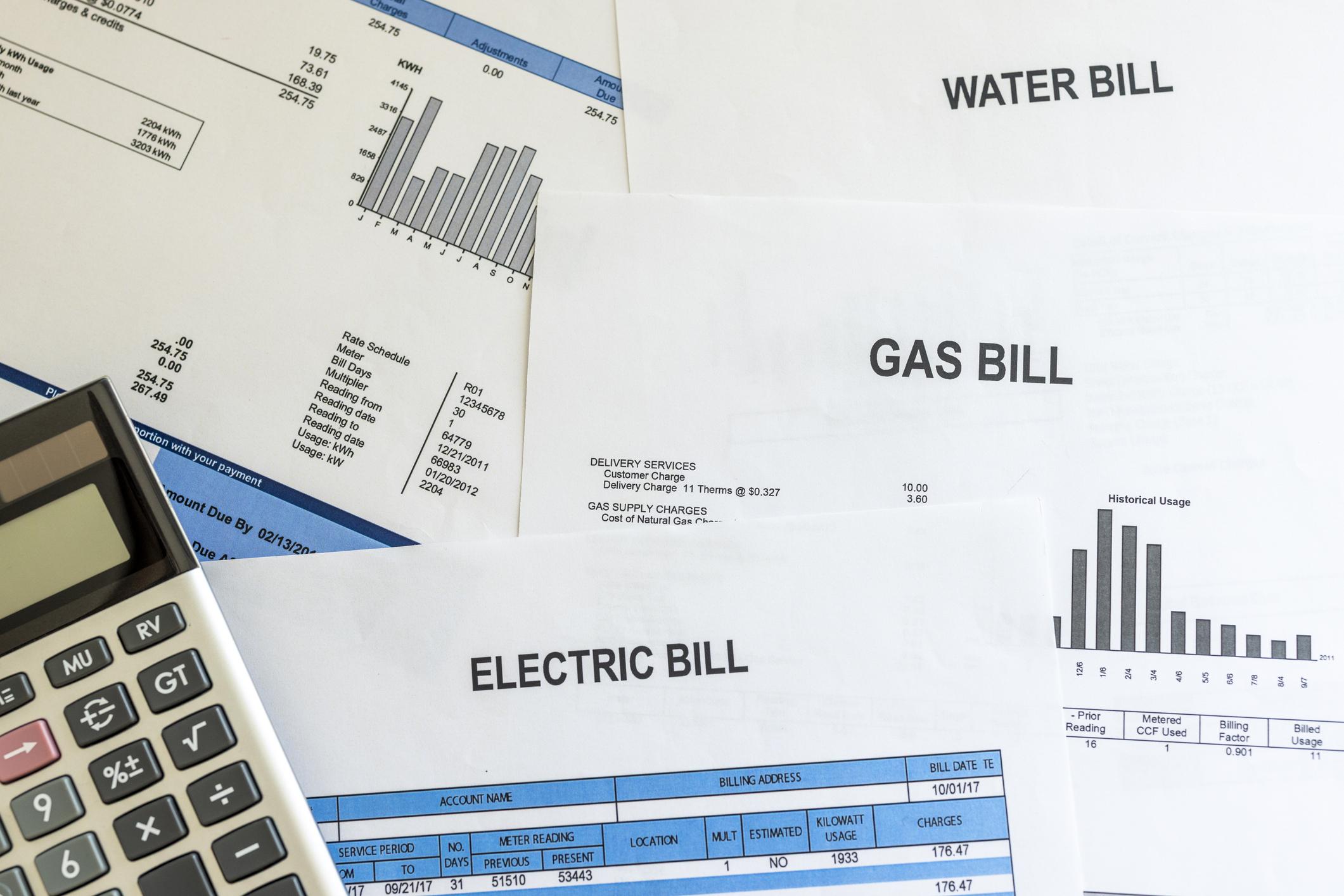
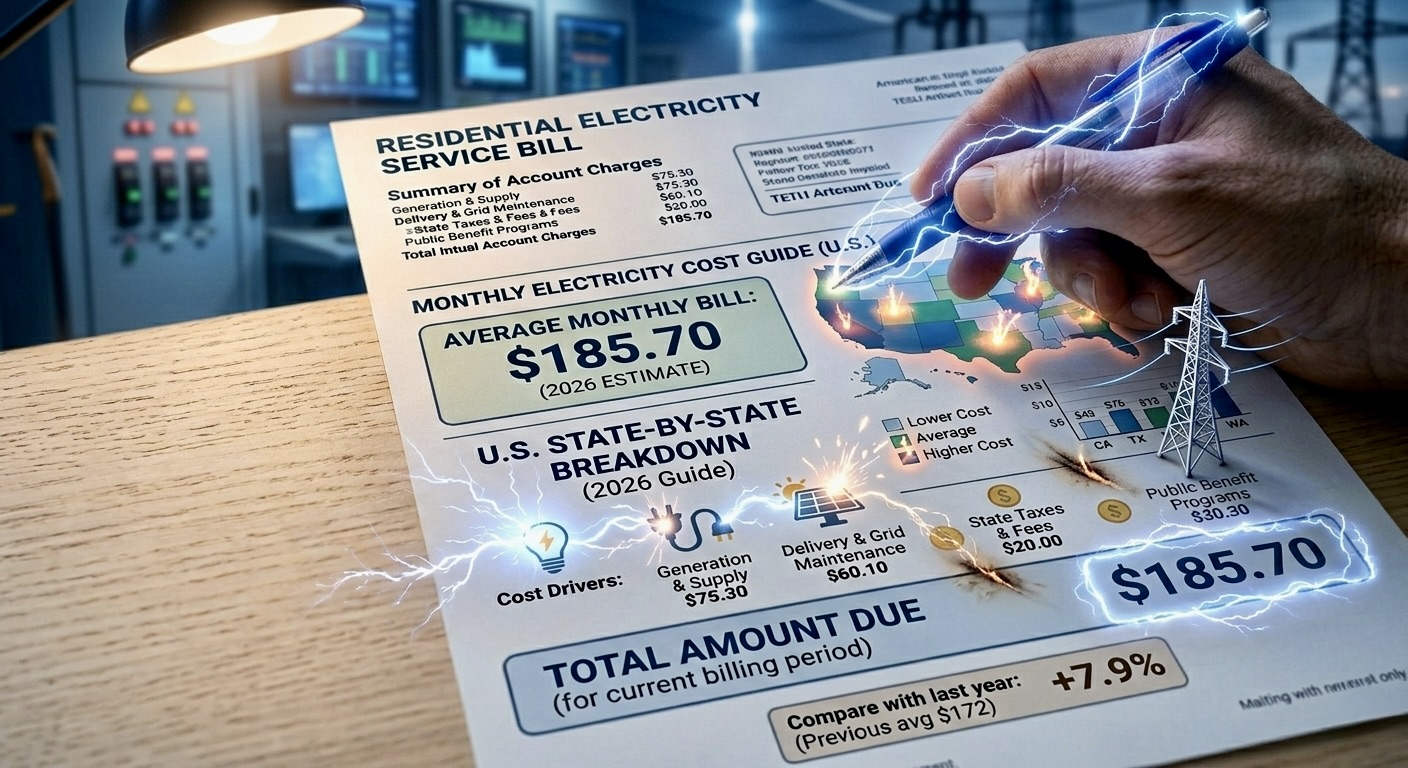
Check your utility bill to see if you’re on a time-of-use plan.
(👉 Why Is My Electricity Bill So High? (Common Causes & Solutions))
Frequently Asked Questions
Is off-peak electricity always cheaper?
Yes, under time-of-use plans.
When are peak hours?
Typically late afternoon and early evening.
Can I switch to a different plan?
Some providers allow switching between flat and time-of-use plans.
Is time-of-use pricing worth it?
It depends on your lifestyle and ability to shift usage.
Final Thoughts
Understanding peak and off-peak electricity pricing can significantly impact your monthly utility bill.
By shifting high-energy activities to off-peak hours, you may reduce electricity costs without lowering consumption.
For a complete overview of household utility costs, explore our full utility guide.