
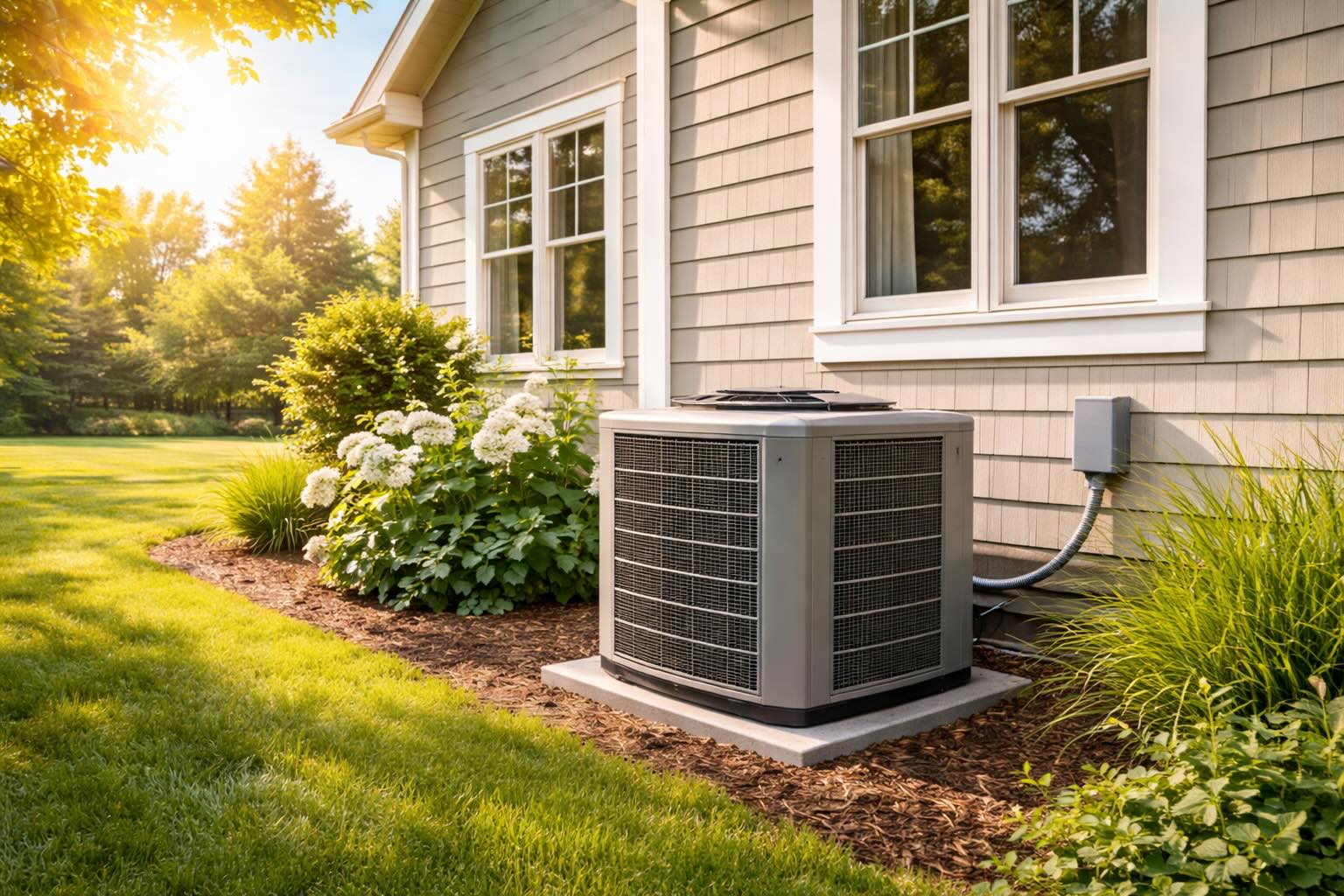
Central air conditioning is one of the largest electricity expenses in summer.
But how much does it actually increase your electric bill?
Let’s look at real numbers.
Quick Answer
Central AC typically adds:
👉 $80 to $250 per month
depending on:
• Home size
• Climate
• Insulation
• Thermostat setting
• Electricity rates
In hot states, it can be much higher.
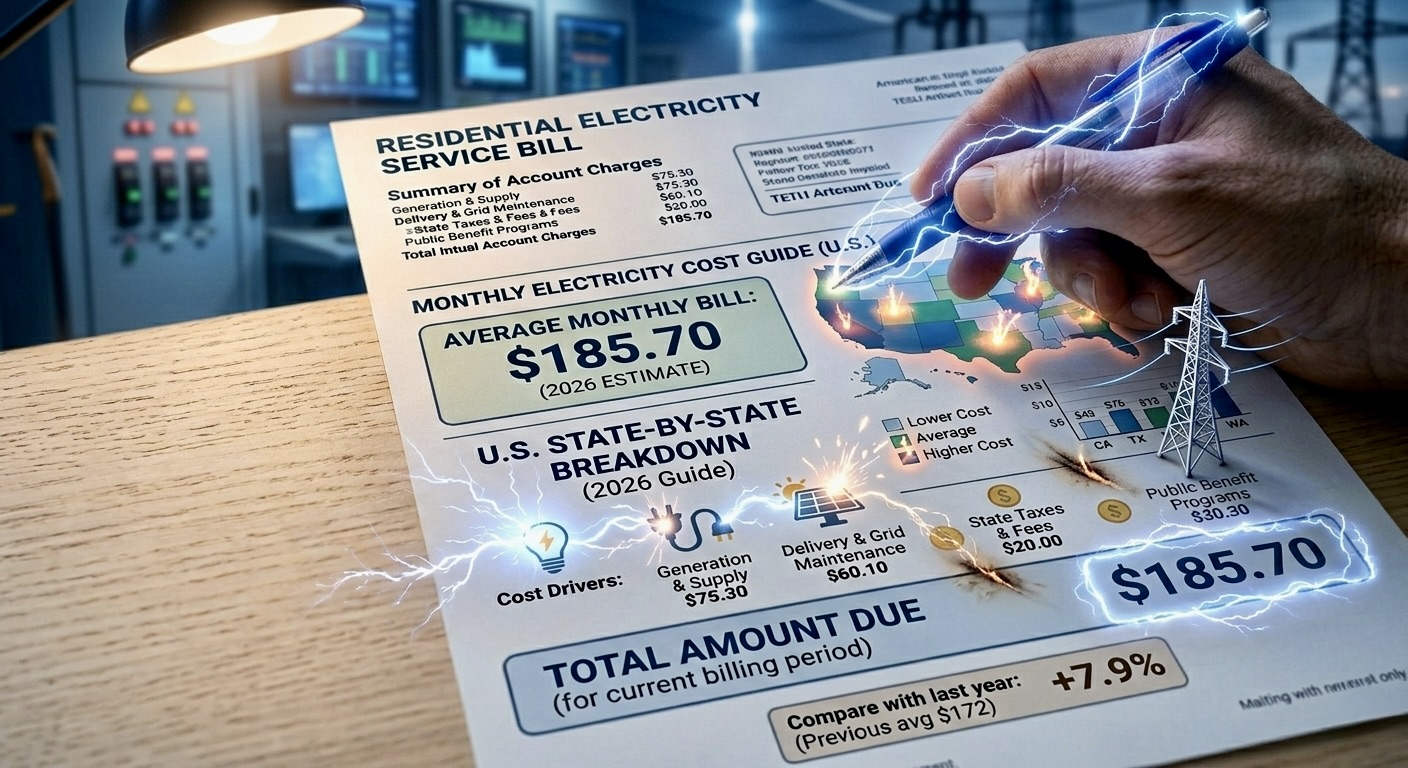
Average Electricity Cost per kWh by State (2026 U.S. Data)
How Much Electricity Does Central AC Use?
Average central AC power draw:
• 3,000 – 5,000 watts
• 3–5 kWh per hour
If electricity costs $0.16 per kWh:
4 kWh × $0.16 = $0.64 per hour
Run 8 hours daily:
$0.64 × 8 = $5.12 per day
$5.12 × 30 = $153 per month
That’s the average scenario.
📊 Monthly Cost by Usage
| Daily Usage | Monthly Cost |
|---|---|
| 4 hours | $75 |
| 6 hours | $115 |
| 8 hours | $150 |
| 10 hours | $190 |
| 12 hours | $230+ |
What Affects the Cost Most?
1️⃣ Thermostat Setting
Every degree lower increases usage 3–5%.
What Is the Best AC Temperature to Save Money?
2️⃣ Insulation
Poor insulation = longer runtime.
Attics matter more than most people think.
3️⃣ Climate
Florida ≠ Minnesota.
Hot, humid climates dramatically increase runtime.
4️⃣ Home Size
Larger homes require:
• More BTUs
• Longer cycles
• Larger compressors
Central AC vs Window Units
Central AC cools entire home.
Window AC cools one room.
How Much Does It Cost to Run a Window Air Conditioner?
Cooling one room is far cheaper.
Can You Reduce the Increase?
Yes.
• Raise thermostat to 78°F
• Use ceiling fans
• Seal air leaks
• Install smart thermostat
How Much Does It Cost to Run a Ceiling Fan?
Even small changes reduce runtime.
FAQ
Does central air double your electric bill?
In summer, yes — it can.
Is central AC expensive to run?
It’s one of the most energy-intensive home systems.
Is it cheaper to leave it on all day?
Usually no. Adjust thermostat when away.
How much does central air cost per day?
Typically $4–$7 per day in summer.
Final Thoughts
Central air conditioning is comfortable.
But comfort has a cost.
Understanding runtime, thermostat settings, and insulation quality can significantly reduce your monthly increase.
Cooling the entire volume of a house requires serious energy.
The more hours it runs, the higher your bill climbs.