

When choosing an electricity provider, one of the biggest decisions you’ll face is whether to select a fixed or variable rate plan.
At first glance, both options may look similar. But over time, your choice can significantly impact your monthly utility bill.
So which electricity plan actually saves more money?
Let’s break it down clearly.
What Is a Fixed Electricity Rate?
A fixed electricity rate means your price per kilowatt-hour (kWh) stays the same for the duration of your contract.
Typical contract lengths:
- 6 months
- 12 months
- 24 months
If you lock in at $0.16 per kWh, that rate won’t change — even if market prices rise.
Advantages of Fixed Rates
- Predictable monthly costs
- Protection against market spikes
- Easier budgeting
- No surprise seasonal increases
Disadvantages
- You won’t benefit if prices drop
- Early termination fees may apply
What Is a Variable Electricity Rate?
A variable rate plan means your price per kWh can change each month based on:
- Energy demand
- Market prices
- Seasonal consumption
- Fuel costs
Your rate might be $0.14 one month and $0.19 the next.
Advantages of Variable Rates
- No long-term contract
- Flexibility
- Potential savings during low-demand seasons
Disadvantages
- High unpredictability
- Summer or winter spikes
- Budgeting becomes harder
Cost Comparison Example
Let’s assume:
Monthly usage: 1,000 kWh
Fixed plan: $0.16 per kWh
→ $160 per month
Variable plan average:
- Winter: $0.14
- Summer: $0.20
- Annual average: $0.17
Annual average cost:
1,000 × 0.17 = $170 per month
That’s $120 more per year compared to the fixed example.
But if energy prices fall?
The variable plan might win.
When Fixed Rates Make More Sense
- You live in a high-demand state (Texas, California, Florida)
- You rely heavily on air conditioning
- You want predictable bills
- Energy markets are unstable
Fixed plans reduce risk.
When Variable Rates Might Be Better
- Mild climate
- Short-term living situation
- Market prices currently low
- You monitor rates regularly
Variable plans require active awareness.
How Energy Markets Affect Rates
Electricity pricing is influenced by:
- Natural gas prices
- Grid demand
- Weather events
- Infrastructure costs
In extreme heat waves, variable rates can spike dramatically.
That’s why many households experience unexpected summer bills.
(Cost to Run an Air Conditioner Per Month (2026 U.S. Guide))
State Differences Matter
Some states allow electricity provider choice (deregulated markets).
Others regulate pricing.
In deregulated states, comparing plans carefully is critical.
(Average Electricity Cost per kWh by State (2026 U.S. Data))
Hidden Fees to Watch For
Regardless of plan type, check:
- Delivery charges
- Base service fees
- Early cancellation penalties
- Minimum usage fees
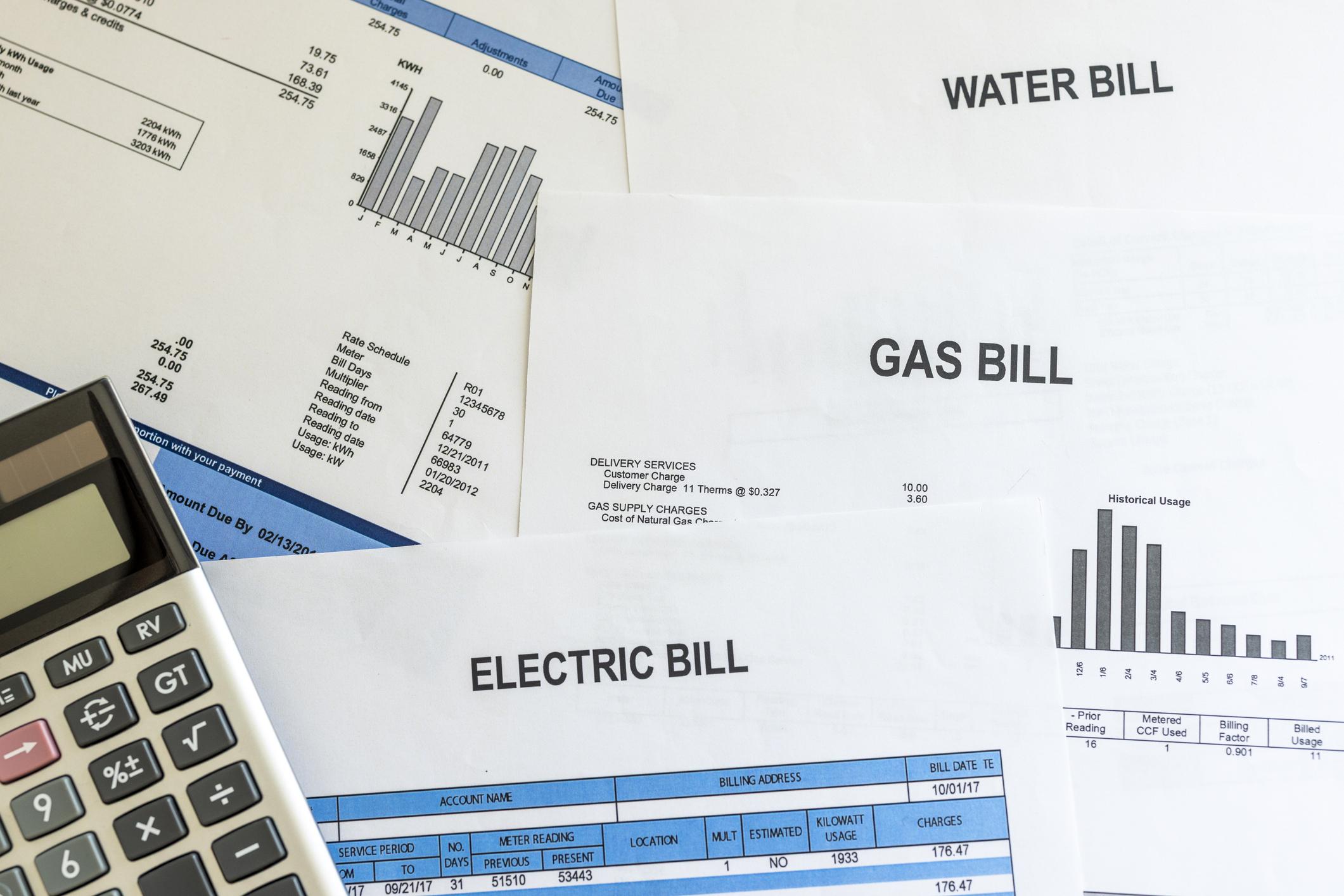
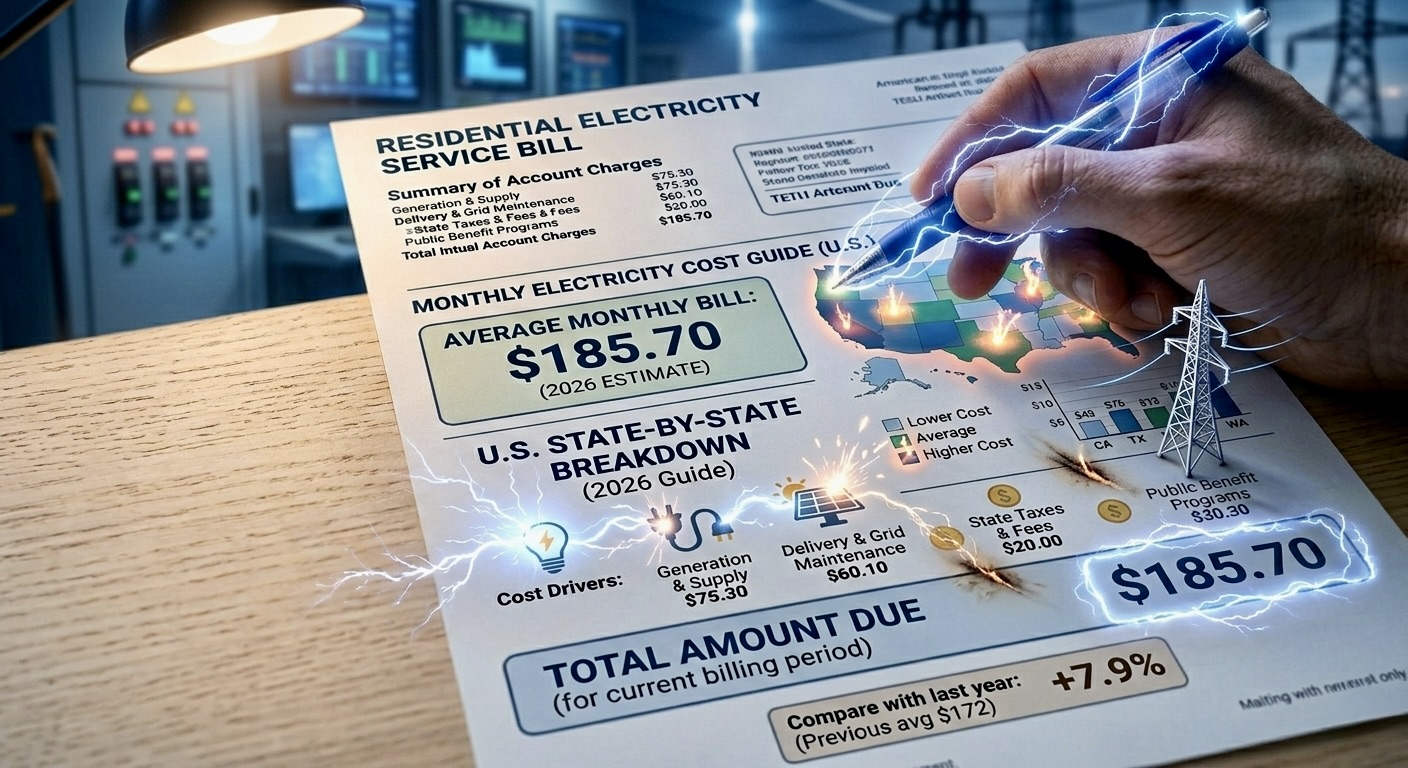
The advertised rate is not always the final rate.
Which Plan Saves More Long Term?
Historically:
- Fixed plans provide stability
- Variable plans provide potential upside
- But volatility often favors fixed for average households
The difference is less about math — and more about risk tolerance.
Final Verdict
If you prefer stability and predictable budgeting, fixed rates are usually the safer option.
If you’re comfortable with fluctuations and market monitoring, a variable plan could occasionally save money.
The best choice depends on your climate, consumption habits, and tolerance for volatility.