
Electricity is one of the most essential — and unavoidable — household expenses in the United States. Whether you’re running air conditioning in the summer or heating your home in winter, electricity costs can significantly impact your monthly budget.
So how much does electricity actually cost per month in the U.S.?
Let’s break it down.
Quick Answer: Average Monthly Electricity Cost
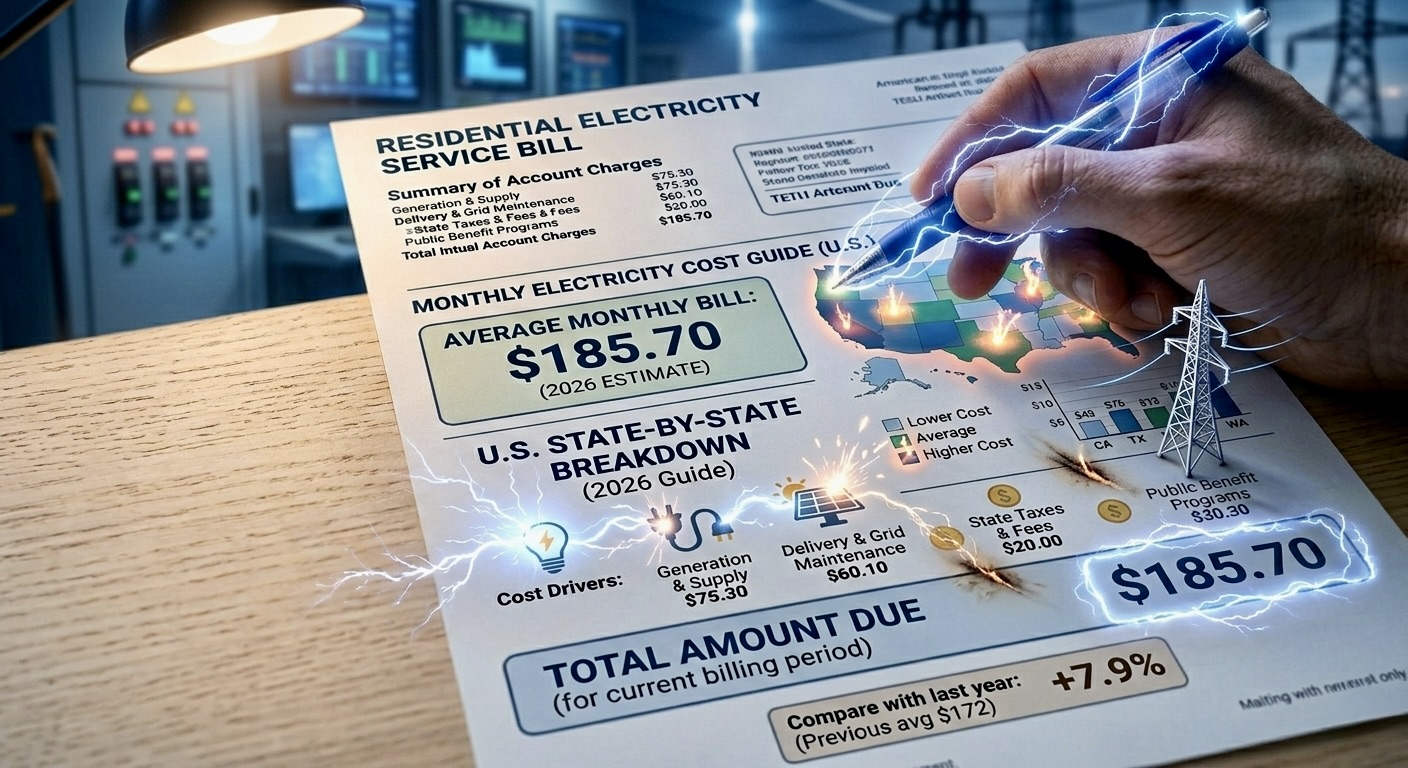
The average U.S. household pays between $120 and $160 per month for electricity.
The national average electricity rate is approximately 15–18 cents per kilowatt-hour (kWh).
However, your actual bill depends on several key factors, including your state, home size, and energy usage habits.
What Is the Average Electricity Rate per kWh?
Electricity prices vary by state.
National average rate: ~16 cents per kWh
Higher-cost states:
- Hawaii
- California
- Massachusetts
Lower-cost states:
- Texas
- Washington
- Oklahoma
If your home uses around 900–1,000 kWh per month, your bill will typically fall within the national average range.
How Electricity Usage Impacts Your Bill
Your total electricity bill is calculated using:
Monthly kWh usage × price per kWh
For example:
1,000 kWh × $0.16 = $160 per month
Homes with electric heating or heavy air conditioning use may exceed 1,200 kWh monthly.
Smaller apartments may use as little as 500–700 kWh.
Average Electricity Cost by Home Size
| Home Type | Estimated Monthly Cost |
|---|---|
| Studio / 1-bedroom apartment | $70–$110 |
| 2-bedroom apartment | $100–$140 |
| Small house (1,500 sq ft) | $120–$170 |
| Larger house (2,500+ sq ft) | $160–$250 |
These estimates vary by climate and insulation quality.
Seasonal Differences in Electricity Bills
Summer
Air conditioning can increase electricity use by 30–50%.
Winter
Homes with electric heating may see major spikes in colder months.
Spring and fall typically bring the lowest electricity bills due to mild temperatures.
What Impacts Electricity Costs the Most?
Several variables influence your monthly bill:
- Air conditioning usage
- Electric heating
- Insulation quality
- Appliance efficiency
- Number of occupants
- Local utility rates
Older HVAC systems and outdated refrigerators can significantly increase energy consumption.
How to Lower Your Electricity Bill
Practical ways to reduce costs:
- Install a programmable or smart thermostat
- Use LED lighting
- Seal windows and doors
- Upgrade to Energy Star appliances
- Wash clothes in cold water
- Unplug idle electronics
Even reducing usage by 10% can save $150–$200 annually.
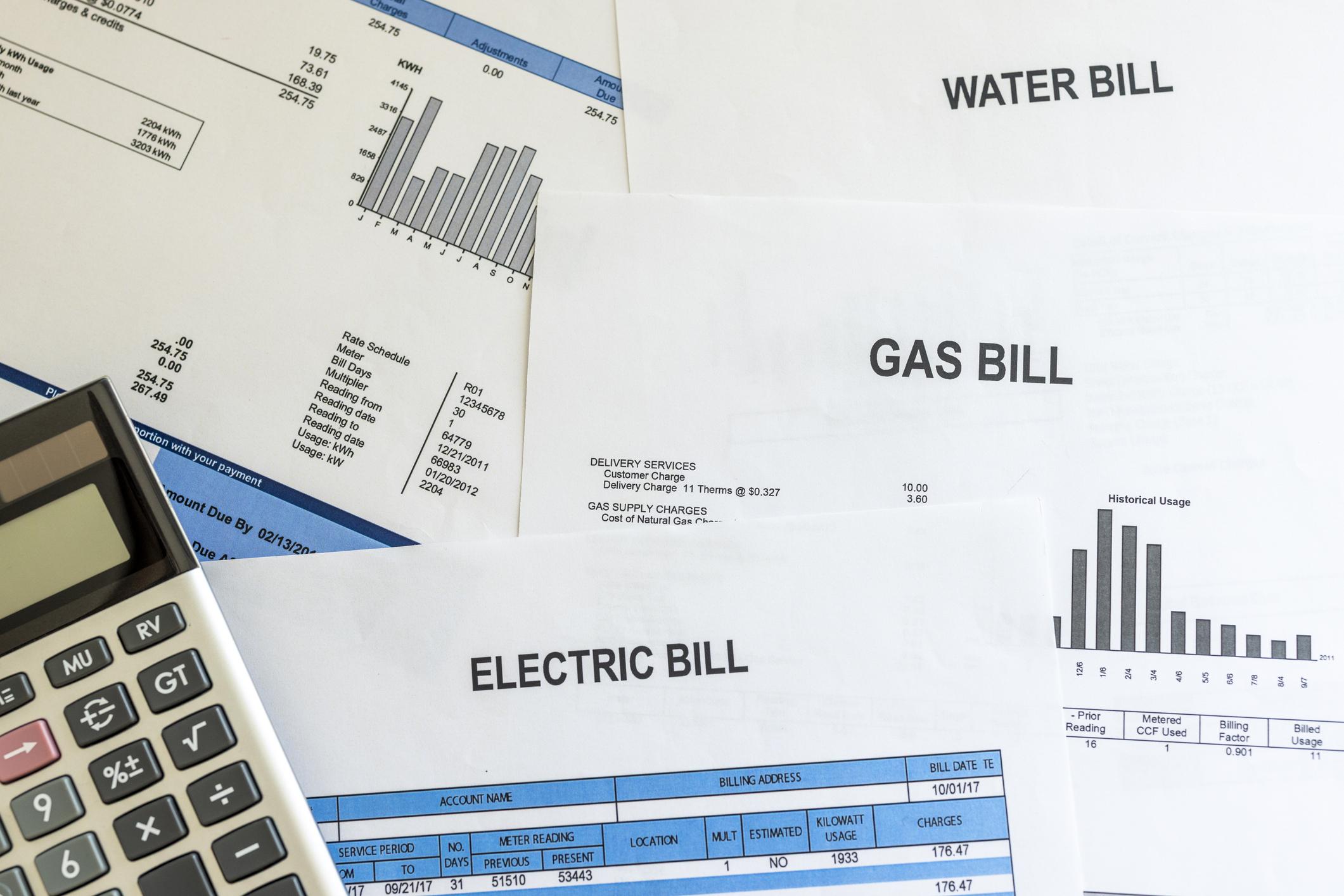
How Does Electricity Compare to Other Utilities?
Electricity is typically the largest portion of total utility expenses.
For a full breakdown of average utility costs — including water, gas, and internet — see our complete guide to utility costs in the U.S.
(👉 Average Utility Costs in the U.S. (2026 Complete Breakdown))
Frequently Asked Questions
Is electricity more expensive in the summer?
Yes. Air conditioning is one of the highest electricity consumers in most homes.
Why is my electricity bill so high?
Common causes include inefficient appliances, poor insulation, high kWh rates, or extreme weather.
How much electricity does the average home use?
The average U.S. household uses around 900–1,000 kWh per month.
Which state has the cheapest electricity?
States with strong energy production infrastructure, such as Texas and Washington, often have lower rates.
Final Thoughts
The average electricity cost in the U.S. ranges from $120 to $160 per month, but actual expenses depend heavily on location, home size, and seasonal energy use.
Understanding your kWh usage and local electricity rate is the key to controlling your monthly bill and making informed decisions about energy efficiency.