
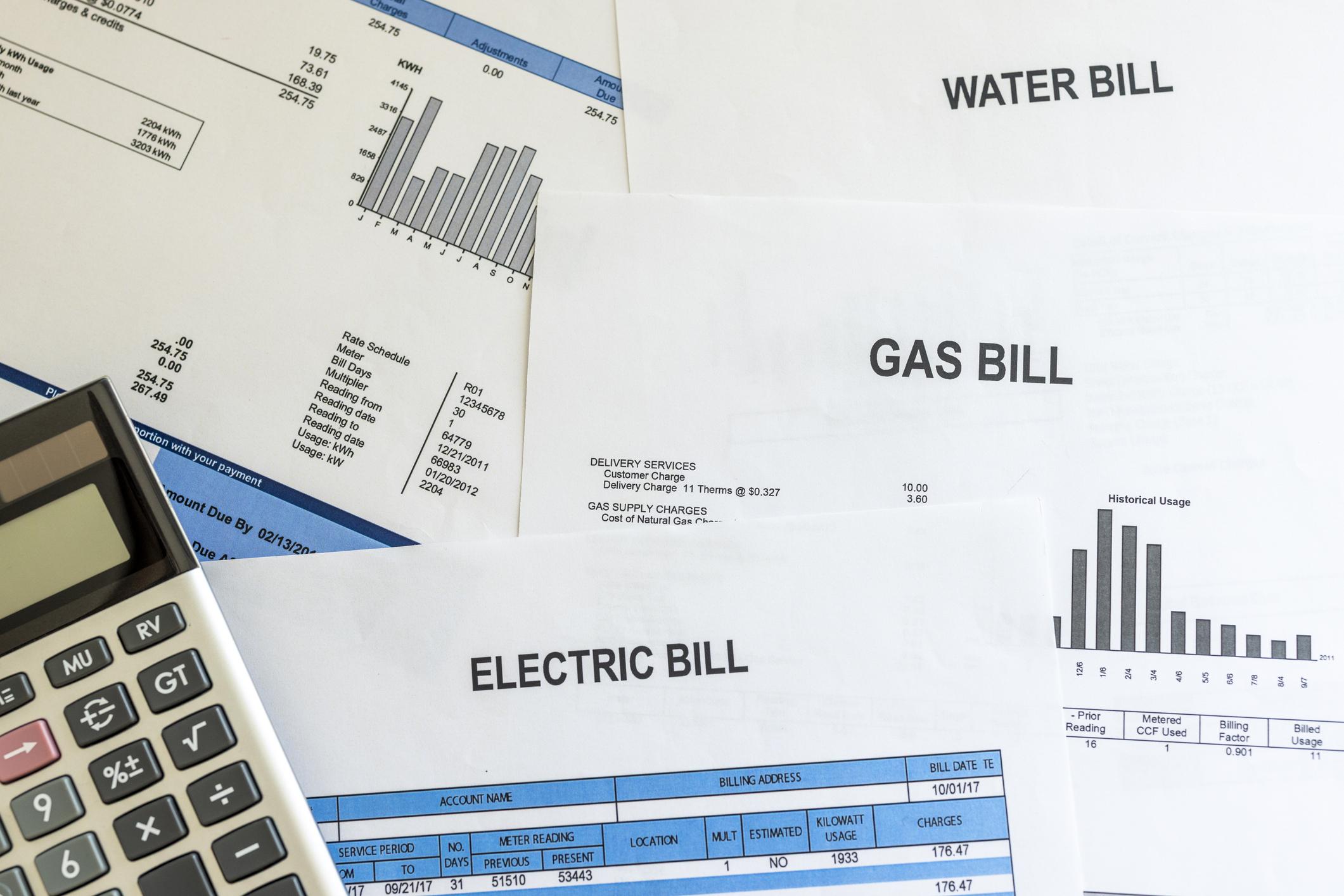
Utility bills are one of the largest recurring expenses for American households. From electricity and natural gas to water, internet, and trash services, monthly utility costs can vary significantly depending on location, home size, climate, and usage habits.
Understanding the average cost of utilities in the United States is essential for budgeting, comparing living expenses between states, and identifying ways to reduce monthly bills.
In this guide, we break down average utility costs in the U.S. for 2026 and explain the key factors that influence what you actually pay each month.
What Is the Average Utility Cost in the U.S.?
The average total monthly utility cost in the United States ranges between $300 and $450 per month for a typical household.
Here’s a national breakdown:
| Utility Type | Average Monthly Cost |
|---|---|
| Electricity | $120–$160 |
| Natural Gas | $50–$100 |
| Water & Sewer | $40–$70 |
| Internet | $60–$90 |
| Trash Collection | $20–$40 |
| Total | $300–$450 |
Actual costs vary widely depending on region, property size, and climate.
Let’s look at each category in detail.
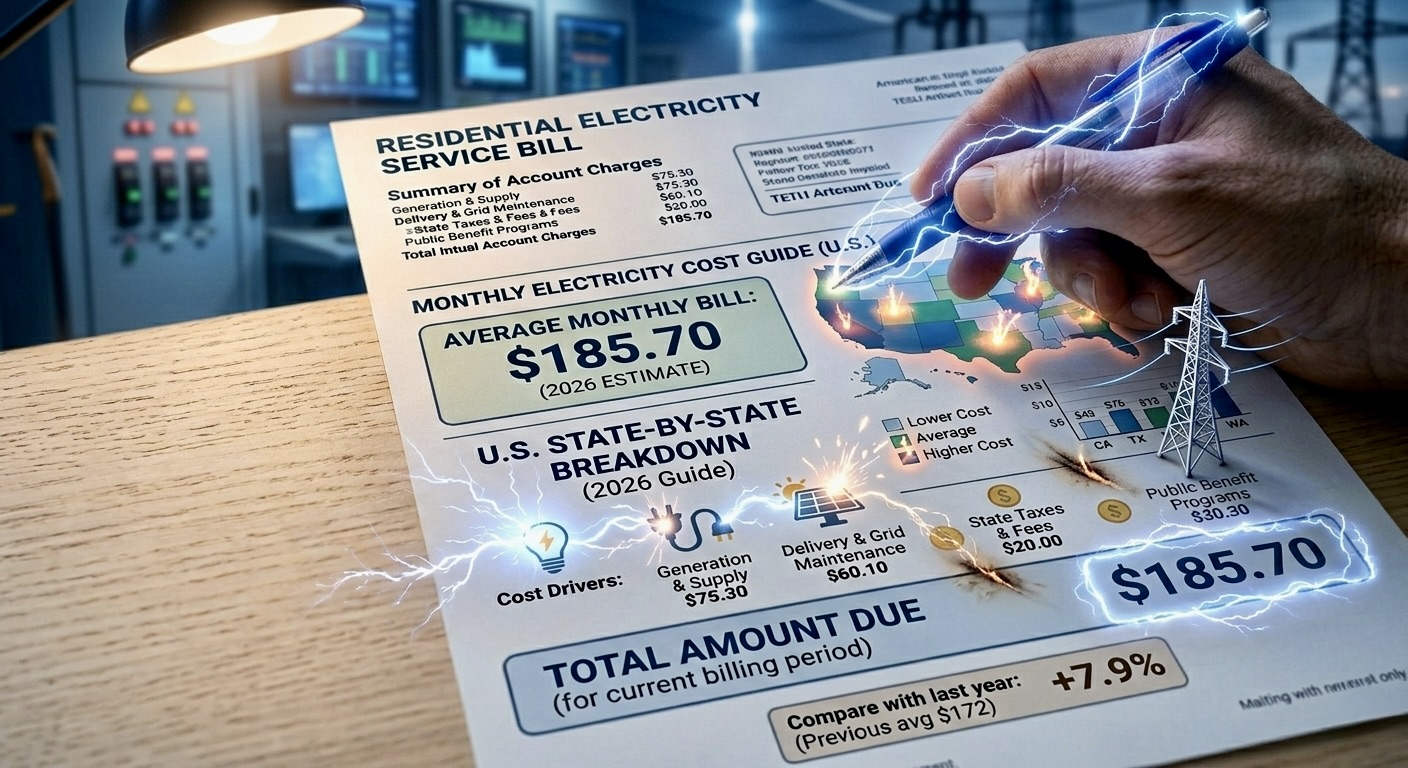
Average Electricity Bill in the U.S.
Electricity is typically the largest utility expense.
The average U.S. household pays $120 to $160 per month for electricity.
The national average electricity rate is roughly 15–18 cents per kWh, though rates vary by state.
States like California and Hawaii tend to have higher electricity prices, while states such as Texas and Washington are often lower than the national average.
What impacts electricity costs?
- Air conditioning usage in summer
- Electric heating in winter
- Appliance efficiency
- Home insulation quality
- Household size
Homes using electric heating can see winter electricity bills exceed $200 per month.
For a detailed analysis, see our guide on electricity costs per month in the U.S.
Average Natural Gas Bill
Natural gas is primarily used for heating, hot water, and cooking.
The average natural gas bill ranges from $50 to $100 per month, depending heavily on the season.
In winter months, households in colder states may see gas bills exceeding $150.
Gas vs electric heating
Gas heating is often cheaper than electric heating in colder climates. However, price fluctuations and regional infrastructure can change this dynamic.
Homes in warmer states may pay minimal gas costs outside winter.
Average Water & Sewer Bill
Water and sewer services typically cost between $40 and $70 per month for a standard household.
Costs depend on:
- Local water rates
- Household size
- Lawn irrigation
- Drought restrictions
Urban areas often bundle sewer and water together, while rural areas using wells may pay less in water bills but more in maintenance.
Families with higher water usage — such as frequent laundry, irrigation systems, or pools — can easily exceed $100 per month.
Internet Costs in the U.S.
The average internet bill ranges from $60 to $90 per month.
Pricing depends on:
- Speed tier
- Provider competition
- Bundle packages
- Promotional rates
Fiber connections tend to cost more but offer higher speeds. Rural areas may pay higher rates due to limited competition.
Trash & Waste Collection
Trash collection costs between $20 and $40 per month in most cities.
Some municipalities include this cost in property taxes, while others bill separately.
Recycling and yard waste services may increase the monthly total.
What Factors Impact Utility Costs the Most?
Several variables influence your total monthly utility bill:
1. Home Size
Larger homes require more heating, cooling, and lighting.
2. Climate Zone
Hot southern states see higher summer electricity bills. Northern states see higher winter heating bills.
3. Insulation & Energy Efficiency
Well-insulated homes significantly reduce heating and cooling costs.
4. Appliance Efficiency
Older refrigerators, HVAC systems, and water heaters consume more energy.
5. Household Size
More occupants = more water usage, more laundry, more electricity consumption.
How to Reduce Your Utility Bills
Small improvements can significantly reduce monthly costs:
- Install a smart thermostat
- Upgrade insulation
- Seal windows and doors
- Replace old appliances with Energy Star models
- Use LED lighting
- Adjust water heater temperature
- Limit peak-hour electricity usage
Even a 10% reduction in energy consumption can save hundreds of dollars annually.
Frequently Asked Questions
What is the average utility cost for a 2-bedroom apartment?
A 2-bedroom apartment typically costs between $200 and $350 per month, depending on location and whether utilities are partially included in rent.
Which state has the highest electricity rates?
States like Hawaii and California generally have higher electricity rates compared to the national average.
How much should I budget for utilities?
A safe estimate is $350–$400 per month for a typical single-family home.
Are utilities cheaper in rural areas?
Water and trash may be cheaper in rural areas, but electricity and internet can sometimes cost more due to limited infrastructure.
Final Thoughts
Utility costs represent a major portion of household spending in the United States. While national averages range between $300 and $450 per month, your actual costs depend on location, home efficiency, and lifestyle habits.
Understanding these numbers allows you to budget accurately, compare living costs between states, and identify meaningful opportunities to reduce expenses.
For more detailed breakdowns of specific bills — including electricity, heating, and appliance costs — explore our in-depth utility guides throughout this section.