

Trash collection is a basic utility service for most households in the United States. While it is often overlooked compared to electricity or water bills, garbage collection still represents a regular monthly expense for many families.
In some cities, trash collection is included in property taxes or municipal services. In others, households must pay a separate monthly fee to a private waste management company.
In 2026, the average trash bill in the United States ranges from $20 to $60 per month, depending on the city, type of service, and household size.
Understanding how trash collection costs work can help homeowners and renters better plan their monthly household budgets.
Average Trash Bill Per Month in the U.S.
| Household Type | Average Monthly Trash Cost |
|---|---|
| Apartment | $15 – $30 |
| Small household | $20 – $40 |
| Family home | $30 – $60 |
| Large household | $50 – $80 |
In many suburban areas, trash collection is bundled with recycling services and yard waste pickup.
Trash Collection Cost by City Type
Waste management costs can vary depending on the local municipality and the service provider.
| Location Type | Average Monthly Cost |
|---|---|
| Small town | $15 – $35 |
| Suburban areas | $25 – $50 |
| Large cities | $35 – $70 |
Some cities include trash collection in municipal taxes, while others charge households separately.
What Influences Trash Collection Costs
Several factors determine the price of waste collection services.
Local regulations
Municipal governments often regulate waste collection services, which can influence prices.
Service frequency
Weekly trash pickup usually costs more than bi-weekly services.
Recycling services
Many areas include recycling collection, which may increase the total bill slightly.
Yard waste and bulk pickup
Some households pay extra for services such as leaf collection or bulk item disposal.
Trash Bills Compared to Other Utilities
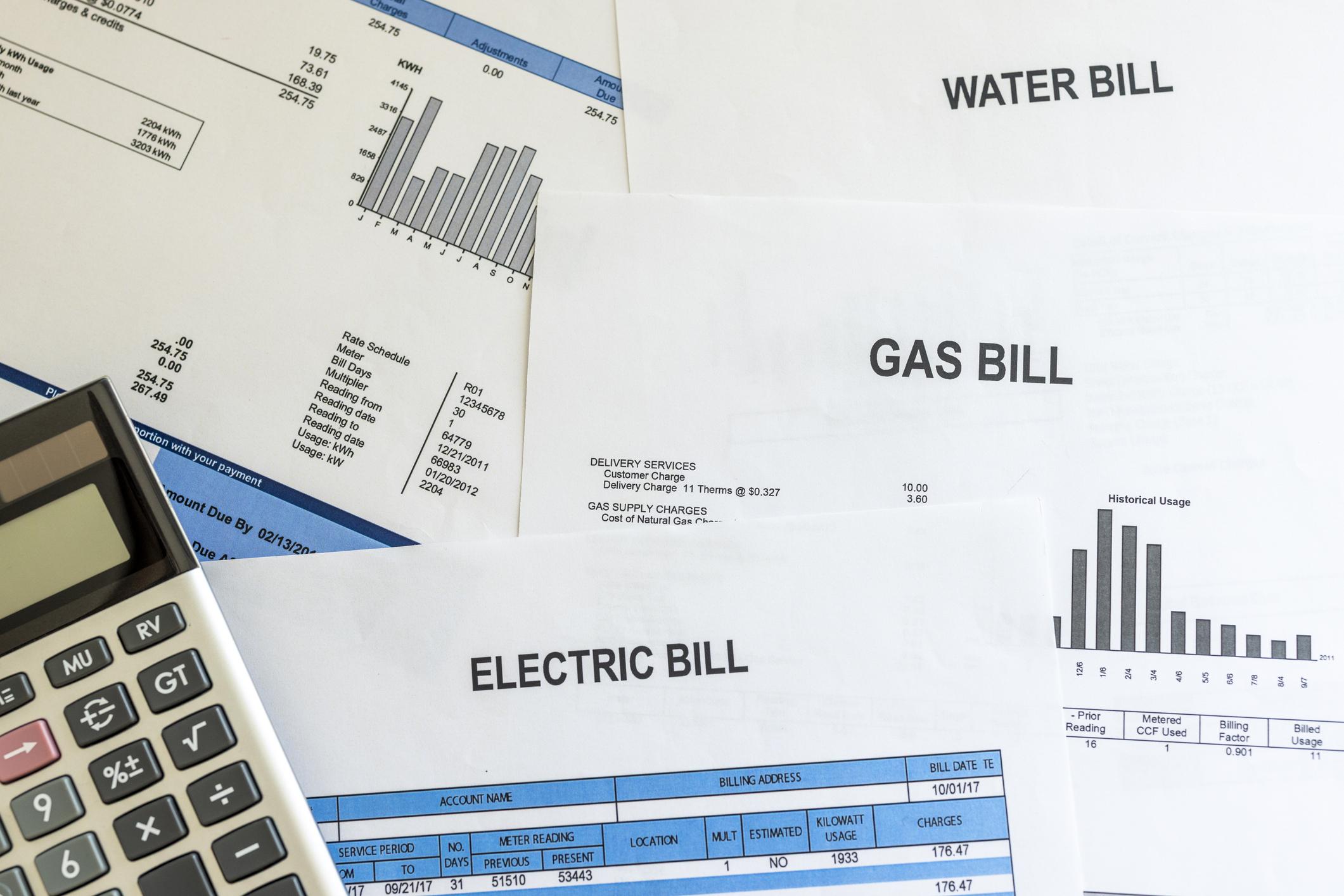
Although trash collection is an essential service, it usually represents a small portion of monthly utility expenses.
Example monthly utility costs:
| Utility | Average Monthly Cost |
|---|---|
| Electricity | $120 |
| Water | $70 |
| Trash collection | $30 |
| Internet | $70 |
You can also read our related guides:
- Average Water Bill in the U.S.
- How Much Does Electricity Cost Per Month in the U.S.?
- Average Utility Costs in the U.S. (2026 Complete Breakdown)
These utilities together form the core of most household budgets.
Trash Collection in Apartments vs Houses
Trash collection fees can vary depending on the type of housing.
Apartment buildings
In many apartment complexes, trash services are included in the monthly rent or HOA fees.
Single-family homes
Homeowners usually pay directly for trash pickup services through municipal utilities or private waste management companies.
Homeowners associations (HOAs)
Some HOAs include waste collection as part of the community service fees.
How to Reduce Your Trash Bill
While trash collection fees are often fixed by local providers, there are still a few ways households can reduce costs.
Reduce waste
Producing less trash may allow households to use smaller bins or fewer pickups.
Increase recycling
Recycling programs can reduce the amount of waste sent to landfills.
Share services
In some rural areas, neighbors share waste collection services to reduce costs.
FAQ
What is the average trash bill per month in the U.S.?
Most households pay between $20 and $60 per month for trash collection services.
Is trash collection included in property taxes?
In some cities, trash collection is included in municipal taxes. In others, it is billed separately.
Why do trash bills vary between cities?
Local regulations, waste management contracts, and service frequency all affect the price.
Do apartments pay for trash collection?
Often the cost is included in rent or building maintenance fees rather than billed separately.
Conclusion
Trash collection is a necessary service that helps maintain clean and safe communities across the United States.
While the average trash bill is relatively small compared to other utilities, it still contributes to overall household expenses.
Understanding these costs allows households to better plan their budgets and manage their monthly utility bills.