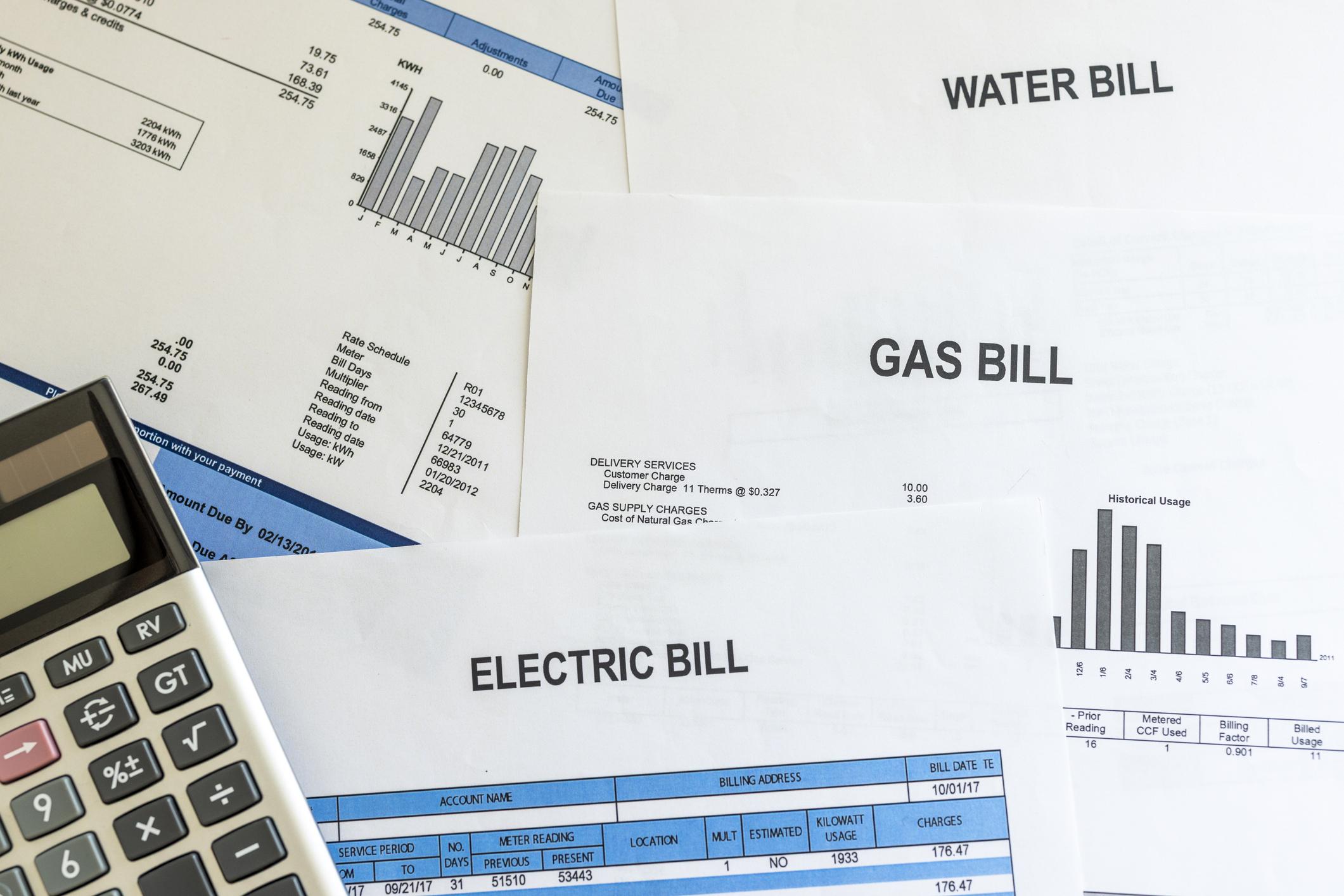

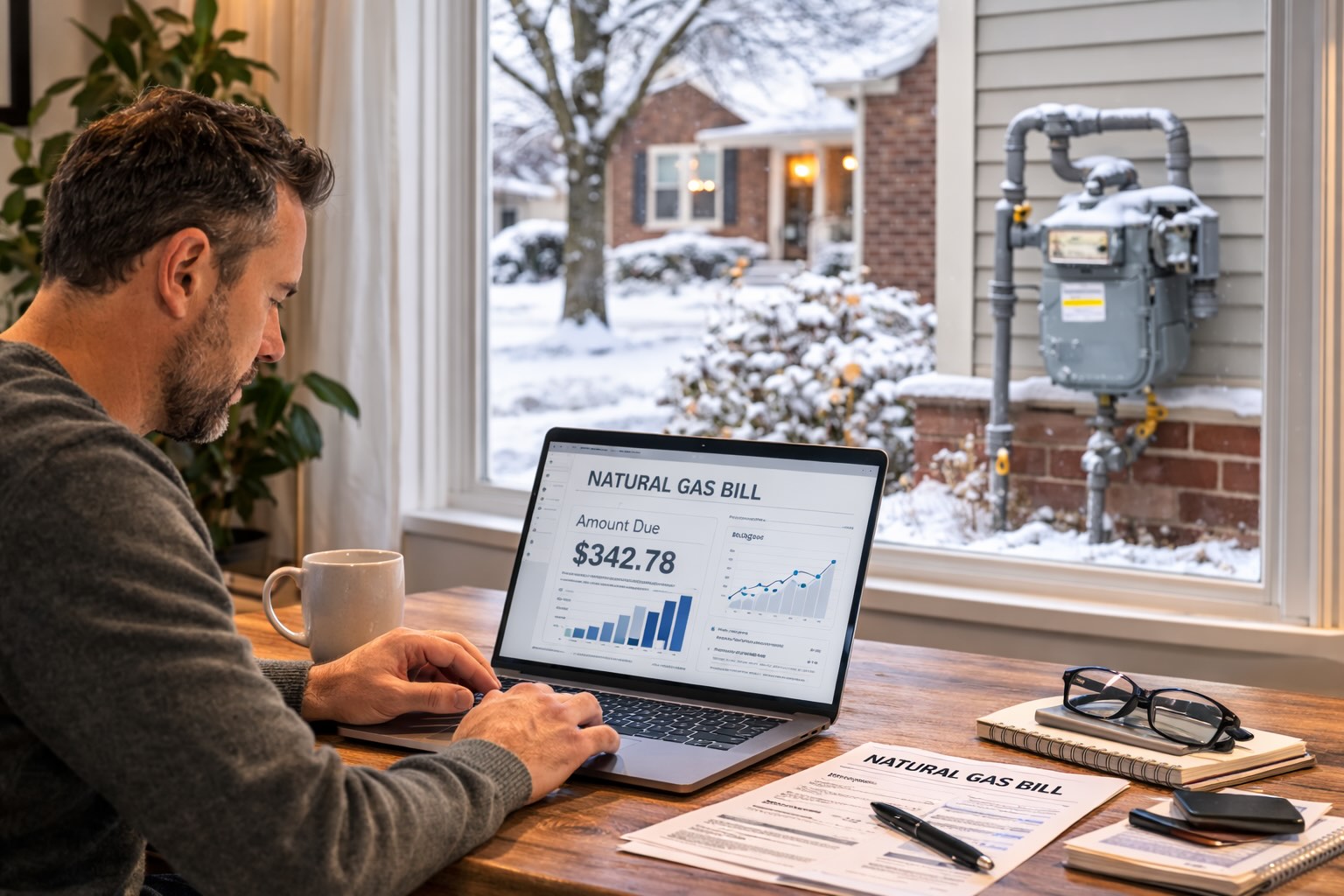
Natural gas is one of the most widely used energy sources for households in Pennsylvania. Many homes rely on natural gas for heating, cooking, and water heating throughout the year.
Because Pennsylvania experiences cold winters, natural gas consumption increases significantly during the colder months. Heating systems often operate for long periods, which can lead to higher utility bills during winter.
Understanding the average natural gas bill in Pennsylvania can help homeowners and renters estimate their monthly energy costs and better prepare for seasonal heating expenses.
In this guide, we explore typical gas bills across Pennsylvania, examine natural gas prices per therm, and explain why energy costs vary throughout the year.
Average Natural Gas Bill in Pennsylvania
The average residential natural gas bill in Pennsylvania typically ranges between:
$90 and $120 per month
However, this amount can increase during the winter when heating systems run more frequently.
Households located in colder areas of the state may experience higher heating costs, especially during particularly cold winters.
Average Natural Gas Price per Therm in Pennsylvania
Natural gas is usually priced using a unit called a therm, which measures the amount of heat energy contained in natural gas.
| Metric | Average Cost |
|---|---|
| Price per therm | $0.85 – $1.20 |
| Average monthly usage | 70 – 95 therms |
| Estimated monthly bill | $90 – $120 |
Prices may vary depending on the utility provider and local distribution costs.
Natural Gas Usage in Pennsylvania Homes
Pennsylvania households rely heavily on natural gas for several daily household needs.
Common uses include:
- home heating
- water heating
- gas stoves and ovens
- clothes dryers
Because winters in Pennsylvania can be cold and snowy, heating systems typically account for the largest portion of natural gas consumption.
You can compare Pennsylvania energy costs with the average natural gas bill by state in the U.S.
Pennsylvania Gas Bills in Winter vs Summer
Seasonal temperatures strongly influence natural gas consumption.
| Season | Average Monthly Gas Bill |
|---|---|
| Summer | $35 – $65 |
| Winter | $140 – $230 |
Winter heating demand is the main reason gas bills increase during colder months.
Homes located in northern parts of the state may experience even higher heating costs.
Why Natural Gas Is Common in Pennsylvania
Several factors explain why natural gas is widely used in Pennsylvania homes.
Local Gas Production
Pennsylvania is one of the largest natural gas producing states in the U.S.
Heating Needs
Cold winters make natural gas heating systems essential for many households.
Infrastructure
Extensive pipeline networks allow natural gas to be distributed efficiently across the state.
Ways to Reduce Gas Bills in Pennsylvania
Even though heating costs are unavoidable during winter, households can take steps to reduce energy expenses.
Improve attic insulation.
Install programmable thermostats.
Seal gaps around windows and doors.
Upgrade to energy-efficient heating systems.
These improvements can significantly reduce natural gas consumption.
Natural Gas vs Electricity for Heating
Many homes in Pennsylvania rely on natural gas heating because it is often cheaper than electric heating.
Electric heating systems generally consume more energy and may result in higher winter utility bills.
You can compare these costs with the average utility costs in the U.S.
FAQ
What is the average natural gas bill in Pennsylvania?
The average monthly natural gas bill in Pennsylvania typically ranges between $90 and $120 depending on household consumption and seasonal demand.
What is the natural gas price per therm in Pennsylvania?
Residential natural gas prices in Pennsylvania usually range between $0.85 and $1.20 per therm.
Why are gas bills higher in Pennsylvania during winter?
Cold winters increase heating demand, which causes natural gas consumption and monthly bills to rise.
Do most homes in Pennsylvania use natural gas?–
Yes. Many homes in Pennsylvania rely on natural gas for heating, cooking, and hot water.
How can homeowners reduce natural gas bills in Pennsylvania?
Improving insulation, sealing air leaks, and using programmable thermostats can help reduce heating costs.