

For many households in the United States, a mortgage payment is the largest monthly expense. Buying a home typically requires financing through a mortgage loan, which is repaid over many years.
Mortgage payments vary widely depending on several factors, including home prices, interest rates, loan terms, and down payment amounts.
In 2026, the average mortgage payment in the United States ranges between $1,800 and $2,800 per month, depending on location and housing market conditions.
Understanding how mortgage payments work can help homeowners better plan their housing budgets.
Average Mortgage Payment in the U.S.
The typical monthly mortgage payment depends heavily on home value.
| Home Price | Average Monthly Mortgage Payment |
|---|---|
| $250,000 | $1,400 – $1,800 |
| $350,000 | $1,900 – $2,400 |
| $450,000 | $2,400 – $3,000 |
These estimates assume a 30-year fixed mortgage with a 20% down payment.
What Is Included in a Mortgage Payment?
A mortgage payment usually includes several components.
| Component | Description |
|---|---|
| Principal | Portion that repays the loan |
| Interest | Cost of borrowing money |
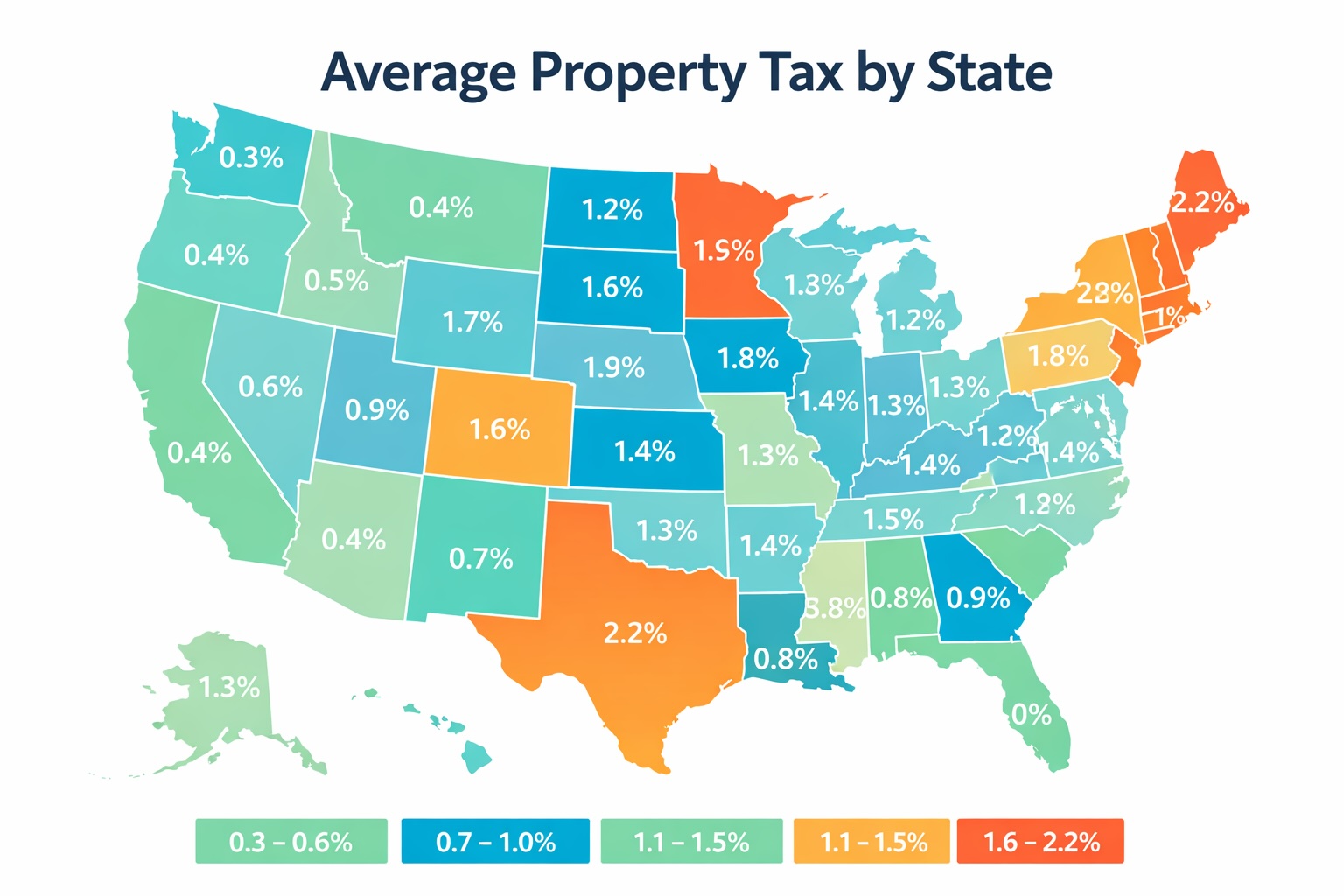
| Property taxes | Local taxes based on home value |
| Home insurance | Protection against property damage |
This combined payment is often called PITI:
Principal + Interest + Taxes + Insurance
Mortgage vs Rent
Many households compare mortgage payments with rent when deciding whether to buy a home.
| Housing Type | Average Monthly Cost |
|---|---|
| Rent (U.S. average) | $1,500 – $2,200 |
| Mortgage payment | $1,800 – $2,800 |
Related article:
Average Rent in the U.S. Per Month
Although mortgage payments can be higher initially, homeowners build equity over time.
Mortgage Payments by State
Housing costs vary widely across states.
| State | Average Monthly Mortgage |
|---|---|
| California | $3,500+ |
| New York | $3,200 |
| Texas | $2,100 |
| Florida | $2,200 |
| Ohio | $1,600 |
High housing demand in coastal states often drives higher mortgage payments.
Factors That Affect Mortgage Payments
Several factors determine how much homeowners pay each month.
Home price
More expensive homes require larger mortgage payments.
Interest rates
Mortgage interest rates significantly impact monthly payments.
Down payment
A larger down payment reduces the total loan amount.
Loan term
Most mortgages are 30-year loans, but shorter terms increase monthly payments while reducing interest.
Example Mortgage Payment Calculation
Example for a $350,000 home.
| Category | Cost |
|---|---|
| Mortgage payment | $2,050 |
| Property tax | $300 |
| Insurance | $120 |
Total monthly housing cost:
$2,470
Related guides:
- Average Property Tax in the U.S. by State
- Cost of Living by State
- Average Monthly Budget for a Family of 4
Tips to Lower Mortgage Payments
Homebuyers can reduce their monthly mortgage payments with a few strategies.
Larger down payment
Paying more upfront reduces the loan amount.
Compare lenders
Different lenders may offer better interest rates.
Improve credit score
Higher credit scores typically qualify for lower interest rates.
Consider different loan terms
Shorter loans have higher monthly payments but lower total interest.
FAQ
What is the average mortgage payment in the U.S.?
Most homeowners pay between $1,800 and $2,800 per month, depending on home price and interest rates.
Is a mortgage cheaper than rent?
In some regions, mortgage payments can be similar to rent. However, homeowners also build equity in their property.
What affects mortgage payments the most?
Home price and interest rates are the biggest factors affecting mortgage costs.
What loan term is most common?
The most common mortgage in the U.S. is a 30-year fixed-rate mortgage.
Conclusion
Mortgage payments represent one of the largest financial commitments for American households. While costs vary significantly depending on home value, interest rates, and location, understanding these expenses helps buyers make more informed decisions.
For many homeowners, managing mortgage payments alongside other expenses such as property taxes, utilities, and insurance is key to maintaining a balanced household budget.